
Jump to a Section
- What Is Family Philanthropy?
- Why Involve Your Family in Charitable Giving?
- Start With a Family Values Conversation
- How to Engage Children and Grandchildren
- How a Donor-Advised Fund Can Support Family Giving
- Create a Family Giving Plan
- Plan for Leadership and Legacy
- What If Your Family Has a Private Foundation?
- Build a Family Giving Tradition in San Diego
- Frequently Asked Questions
Family Philanthropy in San Diego: Key Takeaways
Family philanthropy means involving two or more family members in charitable giving with a shared sense of purpose. Families can practice philanthropy informally or use a charitable structure such as a donor-advised fund, private foundation, endowment or legacy fund.
A strong family giving practice usually starts with five steps:
- Talk about the values and experiences that motivate your family to give
- Identify a manageable set of causes, communities or issues you want to support
- Give children, grandchildren or other relatives meaningful roles that fit their age and interests
- Create a repeatable process for researching organizations and making charitable decisions
- Plan for how your family’s giving and values can continue in the future
What Is Family Philanthropy?
Family philanthropy is the practice of family members participating together in charitable giving.
It does not require a private foundation, a large staff or a formal board. Family philanthropy can be as simple as parents asking their children to help select a nonprofit for an annual gift.
It can also become a long-term, multigenerational practice supported by a donor-advised fund, endowment, private foundation or charitable estate plan.
The structure matters less than the purpose.
Thoughtful family philanthropy creates a shared understanding of why your family gives, how decisions will be made and how different generations can participate.
San Diego offers examples of families carrying that tradition across decades. For example, three generations of the Fleet family have participated in philanthropy with San Diego Foundation, continuing a tradition of giving that began with earlier generations of the family.
That kind of continuity does not happen only through financial planning. It also comes from communicating the values behind the giving.
Why Involve Your Family in Charitable Giving?
Inviting family members into charitable decisions can accomplish something that writing a check alone cannot: it creates opportunities to talk openly about values.
A family giving practice can help you turn shared principles into action, teach younger generations through experience and create a stronger foundation for future charitable leadership.
Turn Family Values Into Action
Words such as generosity, opportunity, responsibility and community become more concrete when family members connect them to real decisions.
Giving together gives your family a reason to ask:
- What problems concern us?
- What opportunities do we want other people to have?
- What places have shaped our lives?
- What responsibility do we feel toward our community?
Those questions can reveal common ground even when family members are interested in different causes.
Help Younger Generations Learn by Participating
Children and grandchildren can learn about community needs, nonprofit organizations and financial stewardship by participating in real charitable decisions.
The experience is generally more meaningful when younger family members have a role to play rather than simply watching older generations make the decisions.
Build Connections Across Generations
Family members will not always care about exactly the same causes. That can be useful.
A grandparent may care deeply about education because of an experience decades earlier, while a grandchild may be drawn to environmental conservation, housing or mental health.
Discussing those differences can help relatives better understand one another and identify the values underneath their individual interests.
Create a Charitable Legacy With Context
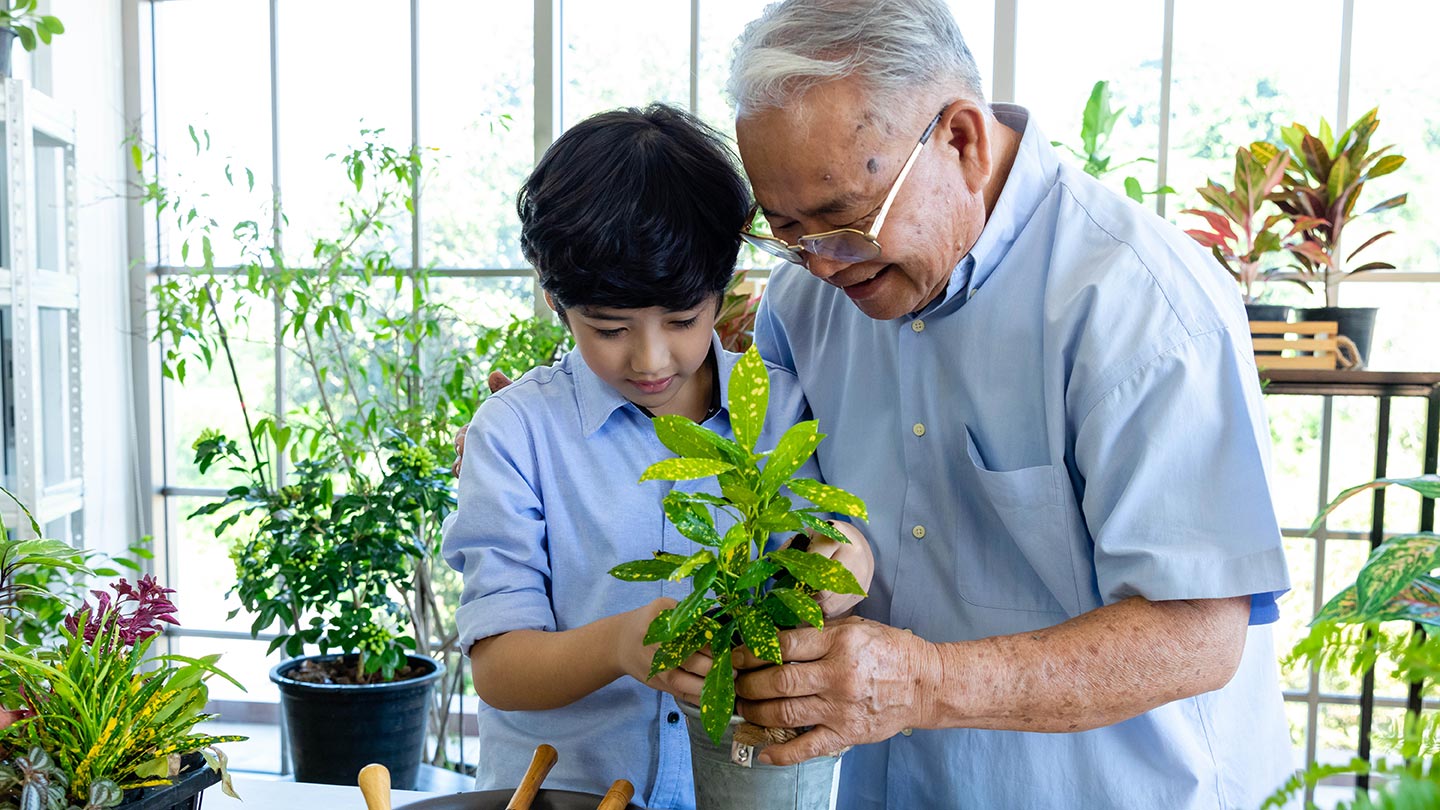
Passing charitable assets to another generation is great. But passing along the story behind the giving is meaningful, too.
Explaining why certain causes mattered, what your family learned and how priorities evolved gives future generations a stronger foundation for carrying the work forward.
Start With a Family Values Conversation
Before deciding which organizations to support, discuss why your family wants to give.
The goal is not to force everyone to agree on one cause. Instead, identify values that can guide decisions even when individual interests differ.
Try starting with questions such as:
- What experiences have made us most grateful?
- What people or places have had an important influence on our family?/li>
- What challenges in San Diego or elsewhere do we feel motivated to address?
- Which charitable gifts have felt especially meaningful to us?
- What opportunities do we want other people to have?
- What values would we like future generations to associate with our family’s giving?
- How much flexibility should each generation have to reinterpret those values?
From that discussion, identify three to five ideas that describe your family’s philanthropic purpose.
For example, a family might agree that its giving should advance opportunity, education, healthy communities and environmental stewardship. Individual family members could still recommend very different organizations while staying connected to the same broad values.
Consider Writing a Short Family Giving Statement
A charitable mission does not need to sound formal. A useful statement can simply explain: Why we give + who or what we hope to support + how we want to make decisions together.
For example:
Our family gives to help people in San Diego build opportunity and stronger communities. We support organizations that expand education, strengthen families and protect our region. Each generation is encouraged to bring new ideas to our giving.
Treat the statement as a guide rather than a permanent rule. Revisit it as your family and community change.
How to Engage Children and Grandchildren
Next-generation engagement works best when participation grows with a person’s age, interests and readiness.
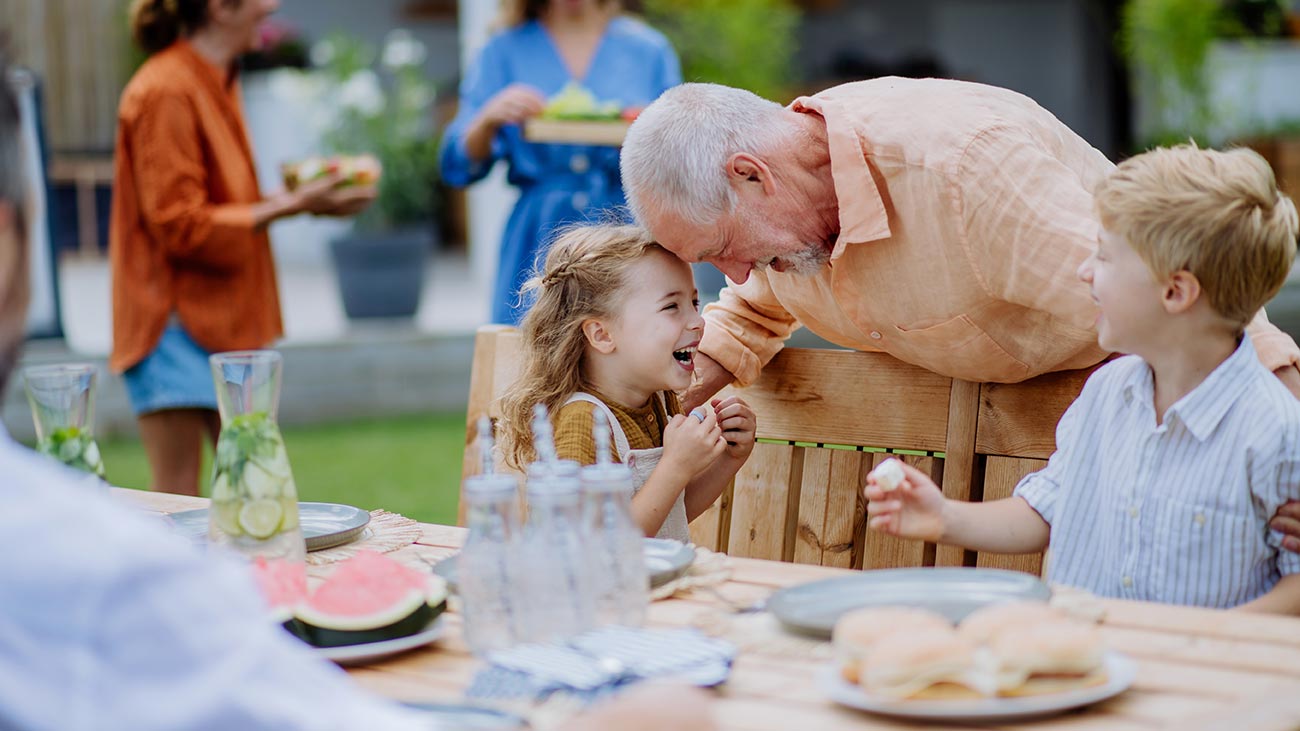
San Diego donors Jennifer and Jimmy Anklesaria offer one example. When their children were young, the family talked openly about philanthropy and encouraged the children to participate in charitable decisions. Family members were able to share their own interests and ideas rather than simply following decisions made by the parents.
The result was more than a series of charitable gifts. Giving became part of the family’s life and younger family members eventually carried those values into their own decisions.
Younger Children: Start With Choices and Stories
Young children do not need to understand every aspect of charitable finance to participate.
Consider giving them two or three causes to learn about, allowing them to choose where a small portion of the family’s charitable budget goes or connecting giving to a volunteer activity.
Explain who the organization helps and why your family decided to support it. The goal at this stage is curiosity and connection.
Teenagers: Add Research and Responsibility
Teenagers can begin researching nonprofit organizations, comparing approaches and explaining which organization they believe the family should support.
You might give each teenager a charitable budget and ask them to present a grant recommendation at a family meeting. The amount matters less than having a real decision to make.
Young Adults: Give Them a Meaningful Voice
Adult children and grandchildren can take on larger responsibilities, such as identifying new organizations, leading a discussion about a community issue or managing part of the family’s annual giving budget.
Some families rotate responsibility for researching different causes. Others allow each family member to recommend grants from an individual allocation while making larger grants together.
Adult Family Members: Share Leadership
As the next generation gains experience, clarify when and how leadership will transfer.
That might mean participating in fund decisions, leading an annual giving meeting or eventually taking responsibility for future grantmaking.
Avoid assuming that the next generation will want to reproduce the previous generation’s philanthropy exactly. A durable family tradition allows both continuity and new ideas.
How a Donor-Advised Fund Can Support Family Giving
A donor-advised fund, or DAF, is a charitable giving account sponsored and administered by a charitable organization, such as a community foundation like San Diego Foundation.
A donor contributes charitable assets to DAF and can recommend grants to nonprofit organizations and causes from the fund over time.
For families, the benefit is organizational as well as financial. Instead of making unrelated gifts from different accounts throughout the year, families can use a donor-advised fund as a central home for their charitable giving.
A family DAF can help you:
- Organize charitable giving in one place
- Recommend grants to multiple qualified nonprofit organizations over time
- Maintain a record of family grantmaking
- Discuss giving priorities before making grant recommendations
- Engage multiple generations in philanthropy
- Develop a framework for long-term family giving
- Access philanthropic guidance and nonprofit knowledge from the sponsoring organization
DAFs Can Provide Structure Without Making Family Giving Overly Formal
Not every family needs bylaws, a board or lengthy meetings.
You might gather once or twice a year, review your charitable budget, discuss new organizations and decide which grants to recommend. Families that want a more formal approach can create a written mission, define roles and establish a repeatable decision process.
The structure should serve the family rather than becoming the focus of the philanthropy.
A Community Foundation Can Add Local Knowledge
Families do not always have the time or information needed to research every nonprofit or community need on their own.
A community foundation can combine a charitable giving structure with knowledge of the region it serves.
At SDF, our team can research nonprofits in areas that interest you and your family, provide information about community needs and help connect donors with organizations working on those issues. For families focused on San Diego, that can make local knowledge part of the giving process rather than leaving each generation to start its research from scratch.
Download the San Diego Donor’s Guide to Donor-Advised Funds
Create a Family Giving Plan
Once your values are clearer, turn them into a simple process.
- Decide What You Want to Accomplish. Choose a manageable set of priorities instead of trying to address every issue at once. Your family’s interests might include education, housing, the environment, family well-being or emergency response.
- Decide How Much Will Be Decided Together. Some families make every grant together. Others divide the charitable budget into two parts: one for shared family priorities and another for individual interests. There is no single correct model. A blended approach can preserve a common family purpose without requiring everyone to support identical causes.
- Establish a Decision Schedule. A predictable schedule makes philanthropy easier to sustain. For example, your family could hold one meeting in the spring to explore priorities and another later in the year to finalize grant recommendations. A regular family giving meeting can also become a reason for relatives who live in different places to reconnect.
- Agree on Basic Research Questions. Before recommending a grant, family members might ask:
- What problem is this organization addressing?
- Who does it serve?
- How does its work connect with our family’s values?
- What do we know about its leadership and approach?
- Would unrestricted support be appropriate?
- Is this a one-time grant or an organization we may want to support over several years?
- Reflect After You Give. At least once a year, discuss what your family learned. Which grants felt especially meaningful? Did anyone discover a new issue? Did a family member’s perspective change? Is there something you want to approach differently next year? Reflection turns individual gifts into a continuing philanthropic practice.

Plan for Leadership and Legacy
If you want your family’s philanthropy to continue beyond your lifetime, talk about that goal while you are able to explain your intentions directly.
A legacy conversation can address questions such as:
- Which values should remain central to our family’s giving?
- Are there particular causes, communities or organizations we hope future generations continue supporting?
- Where should future family members have flexibility?
- Who should take responsibility for charitable decisions next?
- Should several relatives participate together?
- What should happen if a future generation does not want to manage the giving?
- Should part of the family’s philanthropy eventually become permanent or support a defined charitable purpose?
Documenting these ideas can make the difference between leaving charitable assets and leaving charitable direction.
Family Philanthropy in Action: The Cowan-Novak Family
The Cowan-Novak family’s San Diego philanthropy illustrates how participation and succession can connect.
George Cowan and his niece Julie Cowan Novak established a donor-advised fund together. Understanding that someone would eventually need to continue the family’s philanthropic work, they designated Julie’s son Andrew as a successor.
Andrew had already grown up seeing and participating in charitable and community activities with his family. By the time succession became part of the family’s planning, the next generation already understood the values behind the giving.
That is an important distinction in family philanthropy: succession works best when the next generation inherits context as well as responsibility.
Legacy Can Also Preserve a Family Story
The Duane Roth Legacy Fund offers another San Diego example.
After Duane Roth died, his family and friends created the fund to continue work connected to the generosity and community involvement that had defined his life. His family also expressed hope that their children would participate in future giving from the fund so another generation could continue the tradition.
For families thinking about legacy, the lesson is useful: deciding why future generations should give can be just as important as deciding what they will inherit.
Download: Guide to Building Your Charitable Legacy for San Diego Families
What If Your Family Has a Private Foundation?
Some families already practice philanthropy through a private foundation.
A private foundation can provide a formal structure for family governance and charitable decision-making. It also brings administrative, compliance and governance responsibilities.
As circumstances change, some families begin asking whether their existing structure still serves their goals.
A donor-advised fund may sometimes be used alongside a private foundation. In other situations, families and their professional advisors may explore whether moving private foundation assets to a DAF would simplify their philanthropy.
The structures are not identical, so the decision should begin with the family’s priorities.
Consider questions such as:
- How much formal control and governance does our family want?
- How much administration do we want to manage?
- How important are privacy and public reporting to us?
- How should future generations participate?
- Do family members want to spend their time administering a charitable entity or deciding where to give?
- What role should outside philanthropic expertise play?
Family Philanthropy in Action: The Beyster Family
The Beyster family’s experience provides one San Diego example of how a family’s charitable structure can evolve.
Bob and Betty Beyster established a private foundation in 1996 in part to involve their three children in reviewing and making community grants.
Ten years later, the family moved the private foundation’s assets to a donor-advised fund at San Diego Foundation. Family members subsequently established charitable funds of their own while the family continued its annual grantmaking tradition.
Their experience illustrates an important point: changing the structure of family philanthropy does not necessarily mean changing the family’s values or involvement.

For some families, the right charitable structure may change as administrative needs, family leadership and philanthropic goals evolve.
Families considering a private foundation, DAF or transition between charitable structures should work with their legal, tax and financial advisors to determine the approach that fits their circumstances.
Download our Private Foundation Solution Brochure
Build a Family Giving Tradition in San Diego
Family philanthropy does not have to begin with a large gift or a perfectly developed strategy.
It can begin with a conversation around the dinner table.
Talk about what San Diego means to your family. Ask which experiences shaped your opportunities. Learn together about challenges facing local students, families, neighborhoods and the environment. Invite each generation to identify something it wants to understand better.
Then make a decision together.
Over time, those conversations become a family practice. A practice become a tradition. With thoughtful succession planning, that tradition can continue long after the people who started it.
The examples of San Diego families such as the Anklesarias, Fleets, Cowan-Novaks, Roths and Beysters show that multigenerational philanthropy does not follow a single path. Some families start by involving children in everyday giving decisions. Others establish funds, plan for successor generations or change charitable structures as their needs evolve.
The common thread is intentionality. Families talk about why they give, invite others into the process and create opportunities for future generations to make generosity their own.
San Diego Foundation helps individuals and families organize their charitable giving, learn about community needs and build philanthropic plans that can carry shared values forward.
Frequently Asked Questions About Family Philanthropy in San Diego
What is family philanthropy?
Family philanthropy is charitable giving that involves two or more family members in deciding why, where or how to give. It can range from informal annual giving decisions to a multigenerational donor-advised fund, private foundation, endowment or charitable legacy plan.
What does a community foundation do?
A community foundation manages charitable assets, administers charitable funds, makes grants, researches community needs and helps donors support nonprofit organizations and causes. Many also convene donors, nonprofits and other community partners.
How can a family start giving together?
Start by discussing the values and experiences that motivate your family to give. Identify a few shared priorities, decide how family members will participate and create a simple process for researching organizations and making charitable decisions together.
Is a community foundation a public charity?
Yes. Community foundations are generally classified as public charities rather than private foundations. They typically receive support from many donors and use charitable resources to serve broad community purposes.
How can a donor-advised fund support family philanthropy?
A donor-advised fund can give a family one organized charitable account for its giving. Family members can discuss priorities, recommend eligible grants over time and build a record of their philanthropy while the sponsoring organization handles fund administration.
What is the difference between a community foundation and a donor-advised fund?
How can parents and grandparents involve children in philanthropy?
Give younger family members meaningful responsibilities that fit their age and experience. Children can learn about causes and make small giving choices, teenagers can research nonprofits and adult children can recommend grants, lead family discussions and take on greater philanthropic responsibility.
Should every generation support the same charitable causes?
No. A family can share broad values while allowing individual family members or generations to support different causes. Giving traditions tend to be more adaptable when families preserve core values while leaving room for new interests and community needs.
What should families discuss when creating a charitable legacy?
Families should discuss which values they want to preserve, which causes or communities matter most, how much flexibility future generations should have and who should take responsibility for charitable decisions in the future.
Does a family need a private foundation to practice family philanthropy?
No. Families can give together through direct donations, donor-advised funds, charitable trusts, endowments and other charitable structures. A private foundation provides a formal structure but also carries administrative and governance responsibilities.
Can a family move from a private foundation to a donor-advised fund?
Yes. San Diego Foundation works with families and their advisors who are exploring the conversion of a private foundation to a donor-advised fund. Because the two structures have different legal, tax and governance characteristics, families should consult their professional advisors before making a change.
Can San Diego Foundation help a family decide where to give?
Yes. San Diego Foundation’s team can research nonprofit organizations working in a donor’s areas of interest, provide information about community needs and help donors connect with nonprofits.
How can family philanthropy continue across generations?
Families can strengthen continuity by discussing their values, involving younger relatives before a leadership transition, documenting charitable intentions and establishing a succession plan for future giving. The goal is to pass along the purpose behind the philanthropy as well as responsibility for making decisions.
Organize Your Family’s Giving
If a donor-advised fund could help your family create a more organized, multigenerational approach to philanthropy, explore your fund options with San Diego Foundation.