David Barber-Dunham doesn’t mince words when talking about the ¡Más Fresco! Plus Nutrition Incentive Program.
“It saved my life,” says the retired Navy contractor living on a limited income who could not afford fruits and vegetables before enrolling in the program. “The effect on my health has been incredible.”
Developed and led by the Center for Community Health at UC San Diego, housed under the Altman Clinical and Translational Research Institute, ¡Más Fresco! Plus expands access to healthy foods for some of the region’s most vulnerable residents. Since its inception, the program has served more than 3,500 San Diego County households, providing more than $1.9 million worth of produce. For David, that meant a complete turnaround, from a diet of processed foods to one brimming with nutritious staples.
“Before ¡Más Fresco!, I’d go buy a bag of chips because it was all I could afford,” he says.
With federal funding cuts threatening the program’s future, the San Diego Unity Fund, a San Diego Foundation (SDF) initiative created to stabilize nonprofits amid government funding losses, awarded a $250,000 grant to ensure ¡Más Fresco! Plus can continue serving the community through at least the end of the year.
“This grant is critical,” said Blanca Melendrez, the Center for Community Health’s Executive Director.
Hope and Health
¡Más Fresco! Plus was co-designed by community-based organizations, the Childhood Obesity Initiative Community Council, and long-standing regional partners like the American Heart Association. Together, they helped shape program eligibility, outreach strategies, and design to ensure the initiative reaches households that traditional nutrition programs often miss.
The San Diego County Board of Supervisors and the Health & Human Services Agency provided initial launch funding, while the Childhood Obesity Initiative and its Community Council helped co-create and guide the model. Philanthropic partners, including SDF and the American Heart Association, have played a key role in stabilizing and expanding the program.
Since its founding in 2022, the program has remained rooted in community, succeeding through a network of grassroots organizations, health providers, local farmers, and regional partners.
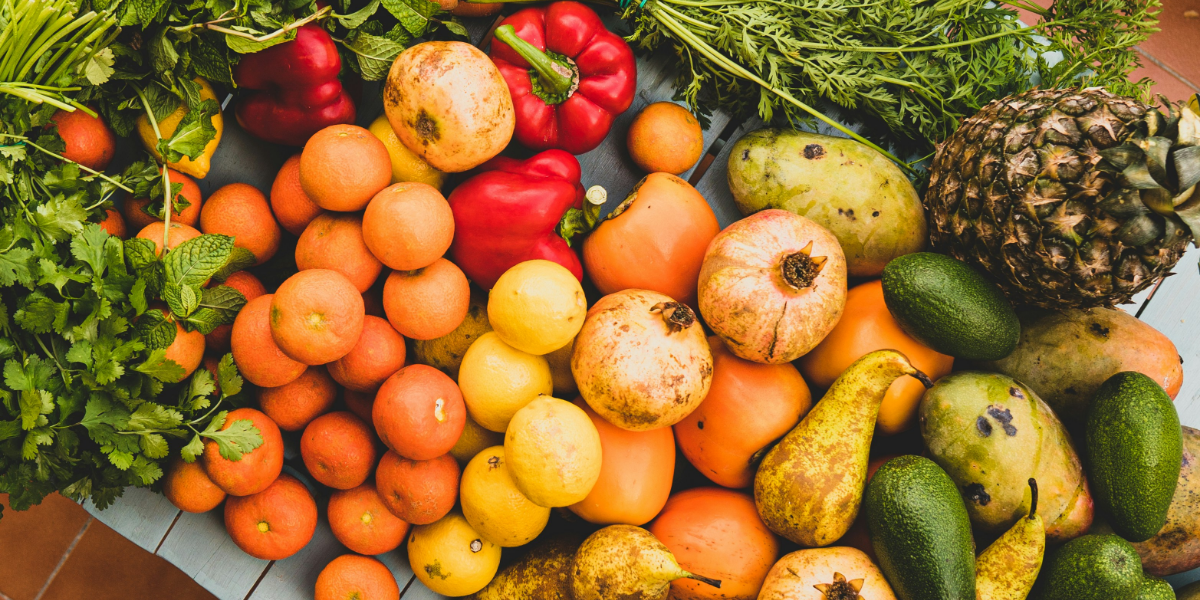
Participants receive biweekly boxes stuffed with everything from locally-grown summer squash and sun gold tomatoes to avocados and papaya.
Unlike traditional nutrition incentive programs, ¡Más Fresco! Plus is not limited to CalFresh participants. It serves low-income populations, seniors and those living with a chronic illness – ensuring no one in need falls through the cracks. Nearly all participants report improved health outcomes, increased fruit and vegetable consumption, and better management of chronic conditions such as diabetes, hypertension, and high cholesterol.
Improving Health Through Nutrition
According to the UC San Diego Center for Community Health, 99% of program participants say ¡Más Fresco! Plus has improved their overall health.
David, 73, is one of them. He says he was living with high blood pressure and critically high triglyceride levels when his doctor urged him to see a nutritionist, who urged David to stop eating junk food and start focusing on healthier fare. “The problem was, I couldn’t afford it.”
That changed after enrolling in ¡Más Fresco! Plus. David lost 65 pounds in three months.
“The impact of San Diego Foundation’s investment is significant and helps us meet a growing need that is out there,” says Joe Prickitt, Director at the Center for Community Health, which notes that 8 of 10 participants could not afford balanced meals before joining the program.
The effects ripple beyond a healthier population. Dollars spent through ¡Más Fresco! Plus are supporting local farmers, grocery stores, and community partners, generating an economic impact that the Center for Community Health estimates at nearly $4 million since the initiative was launched.
“When you hear people talk about food programs, a lot of times they don’t think or talk about the economic benefit,” says Joe. “But the economic benefit is very real.”
David cited another benefit: “The people behind this program are so easy to get ahold of and so easy to talk to. They are dedicated to helping you any way they can.”
A Growing Hunger Crisis
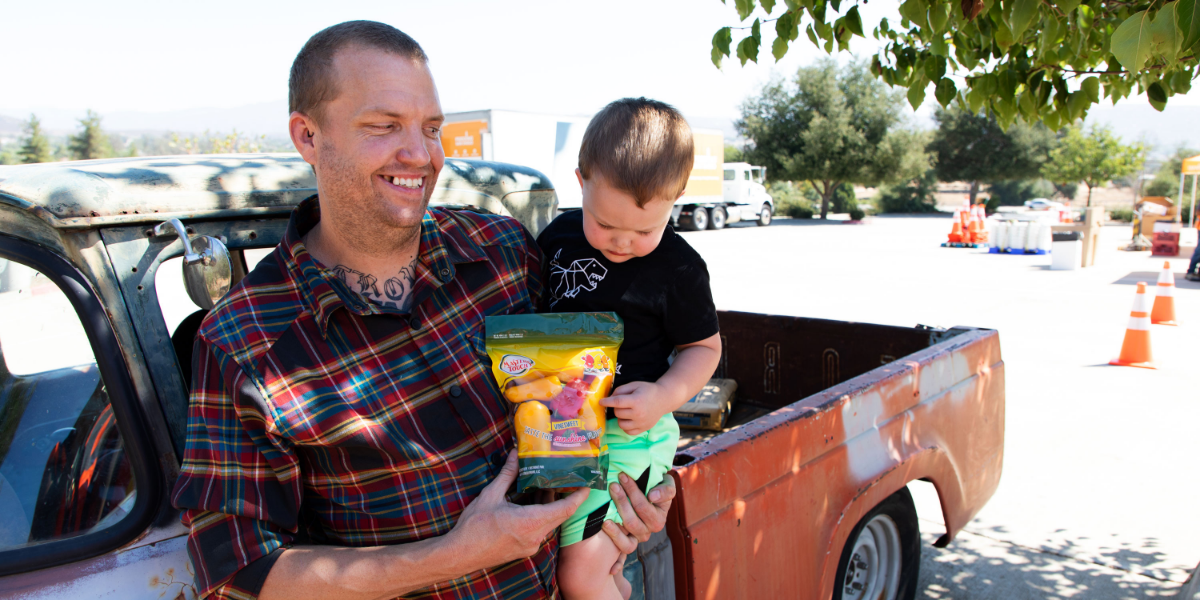
An estimated 800,000 to 850,000 San Diego County residents, including 100,000 or more children, are living in food- or nutrition-insecure households, according to current estimates. Federal cutbacks are intensifying that strain.
“One of the main challenges people are facing today is uncertainty,” Blanca says. “San Diego Foundation funding is helping to ensure this vital resource remains available.”
But demand for the program continues to exceed available slots, underscoring the need for sustained public and philanthropic investment in long-term nutrition access infrastructure. Continued partnership across public agencies, philanthropy, and community organizations will be essential to maintaining and expanding the program in the years ahead.
Reflecting on the program’s impact, Joe said: “There is a lot of despair. This represents hope.”