
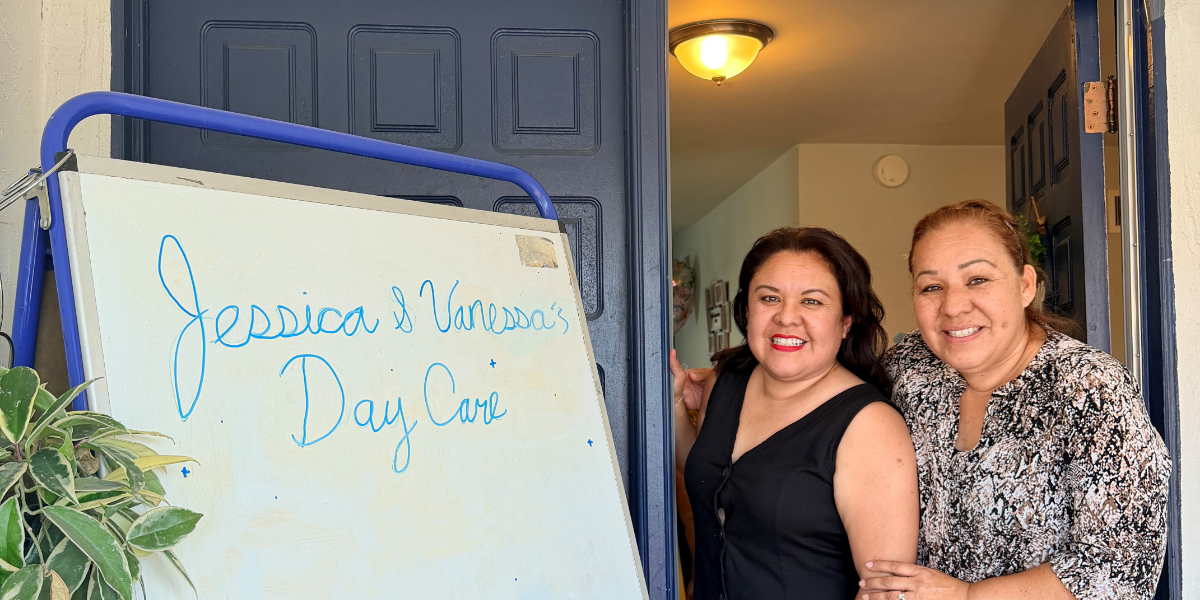
For nearly two years, María de la Luz Oceguera’s dream of opening a home-based childcare business was thwarted by a confusing menagerie of licensing requirements. Then she discovered the San Diego & Imperial Women’s Business Center (WBC).
“They connected me with valuable programs and opportunities, offered training in various business areas, and guided me one-on-one, step by step, throughout the entire process,” she wrote in a recent testimonial for the center. “Their support helped me gain the knowledge and confidence needed to move forward and pursue my goals.”
María is not alone. Dozens of entrepreneurs like María have achieved their goal in opening critically needed childcare businesses, thanks to the San Diego Foundation (SDF)-funded Early Childhood Initiative Access to Capital Grant program and the San Diego & Imperial WBC.
The implications are hard to overstate. The number of licensed childcare centers is shrinking, demand is rising, and nearly half of working parents with children under age 5 lack available licensed care options, according to several published reports. All of this is contributing to San Diego families paying some of the highest childcare costs in the state.
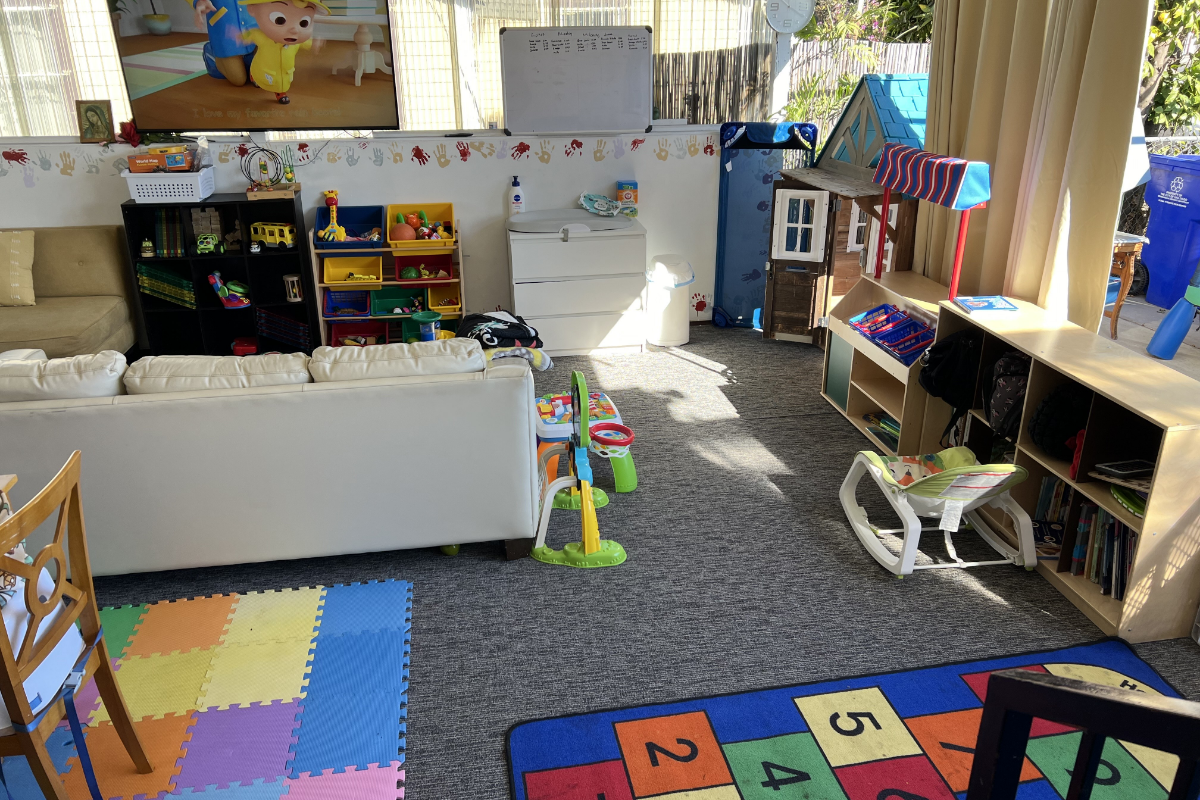
Meanwhile, nearly half of childcare providers in San Diego County went without paying themselves at least once in the past year, according to a recent YMCA report. And complex rules providers must adhere to are hardly making their lives easier.
“People are often lost and don’t know where to start when it comes to the permits and licenses they need,” said Katty Ibarra, regional director for the San Diego & Imperial Women’s Business Center, which is based at Southwestern College’s Center for Business Advancement. “We’re here to guide them through the process.”
Entrepreneurs are offered free classes on marketing strategies, help developing a business plan and support navigating inspections and permitting. They also are eligible for microgrants of up to $2,000 to help cover the costs of permitting, licensing, fingerprinting and related fees, along with purchasing new books or toys, or to help cover required improvements such as adding smoke detectors or installing emergency exits.
While $2,000 may not feel like much to some, it is a lifeline for many providers who struggle to break even due to the high costs of providing care. Slim profit margins are forcing nearly 20% of family care providers to take a second job. An additional 12% say they are planning to, according to the 2025 study.
“It can be life-changing,” Katty said of the microgrants. “It’s very expensive to start a family childcare business, and these women are not wealthy.”
A Growing Need

In San Diego County, 77% of parents say finding childcare is a significant challenge, according to regional cost and access data. An estimated 66% of families live in a “childcare desert,” meaning there are at least three children for every one licensed childcare slot. All told, an estimated 190,000 children lack access to licensed childcare in the region.
The median cost of infant care at a licensed childcare center exceeds $21,000 a year. Single mothers without subsidized care can spend up to half their income on childcare alone.
Expanding the Options
Since 2018, SDF’s Early Childhood Initiative has supported more than 200 childcare providers and some 2,000 licensed childcare spots, benefitting more than 52,000 children ages 5 and younger.
Several WBC clients are parents themselves who can’t afford to put their child in a licensed center. By opening a childcare business in their home, they’re addressing their own lack of options while creating additional options for others in their community. “This program is working because it is addressing a critical issue in the region,” Katty explained.
For Lilia Griselda Contreras Hernandez, the San Diego & Imperial WBC program is playing a critical role in her effort to expand her family childcare home near San Diego Mesa College.
“This project represents much more than the growth of a business,” she wrote to the WBC. “The opportunity to expand my license would allow me to serve more families, strengthen my business, and continue developing as a childcare provider.”