Photo Credit: Surfrider Foundation and Veriditas Rising
Once used as an illegal trash dump and a Navy training site, the Tijuana River Estuary has long faced threats from development. Proposals over the years have ranged from building a concrete flood channel to constructing an upscale marina. But thanks to the efforts behind the formation of the Tijuana Estuary Foundation, the estuary today stands as among the largest remaining coastal wetlands in Southern California and plays a pivotal role in filtering pollution, supporting an extraordinary range of biodiversity, and serving as a haven for threatened wildlife.
Now a San Diego Foundation nonprofit partner, the Tijuana Estuary Foundation has worked tirelessly since 1979 to help ensure the estuary’s health continues to flourish.
“There has to be a commitment to protect and enhance this area,” says Dr. Mike McCoy, founder and president of the Tijuana Estuary Foundation and the catalyst in saving the marshland.
A Unique Wetland
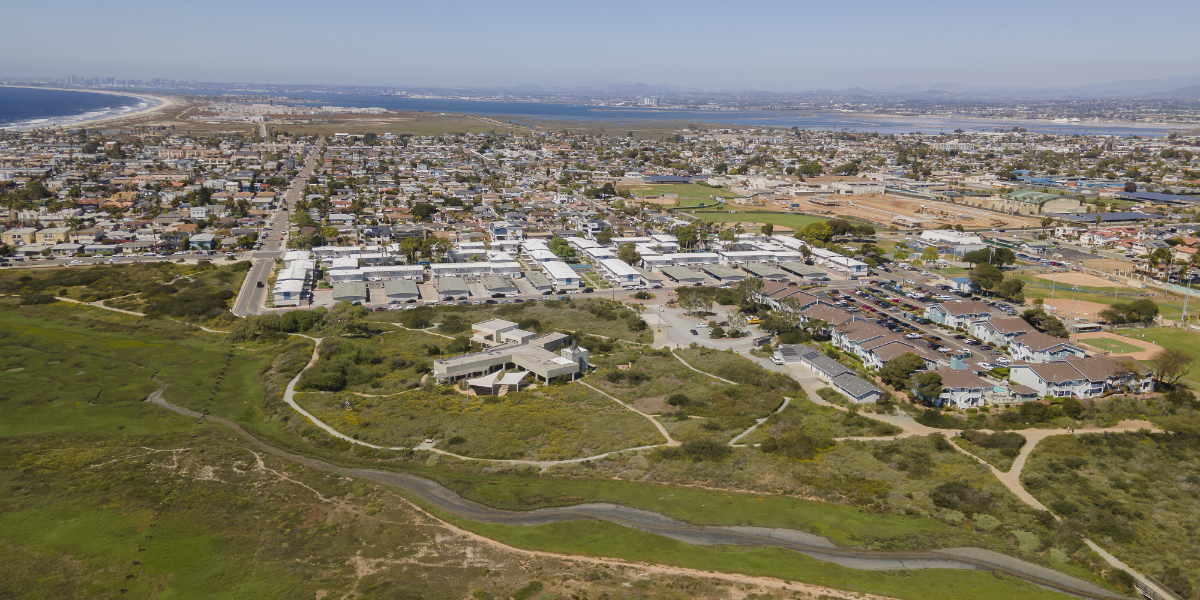
Tijuana River Visitor Center (Photo Credit: Surfrider Foundation and Veriditas Rising)
The Tijuana Estuary Foundation is the nonprofit arm of the Tijuana River National Estuarine Research Reserve, which integrates environmental science, education, and public engagement across the 2,500-acre saltwater marsh – one of 30 such reserves in the United States.
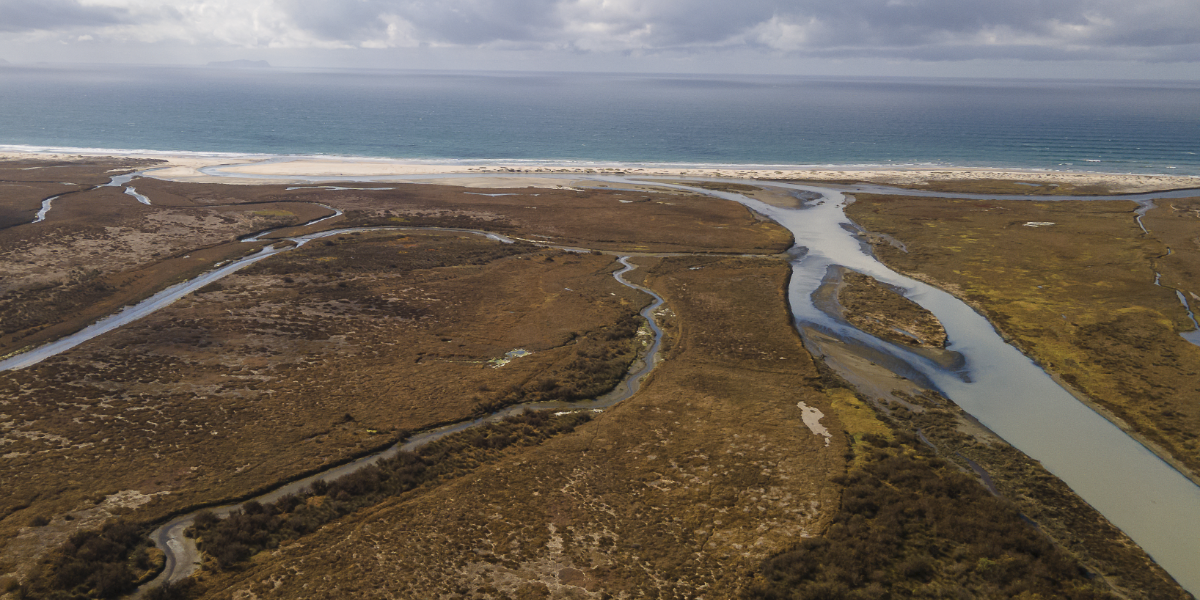
Designated a Wetland of International Importance by The Ramsar Convention on Wetlands, the estuary lies where the Tijuana River meets the Pacific Ocean between Imperial Beach and the U.S.-Mexico border. It supports more than 370 bird species and at least eight threatened or endangered plants and animals, including the endangered light-footed Ridgway’s rail and the California least tern, the smallest of the tern species. It is a critical stopover on the Pacific Flyway for migratory birds, a nursery for fish – including young halibut and leopard sharks, a natural filter that prevents pollutants and sediments from reaching the ocean, and an important carbon sink (coastal salt marsh wetlands, mangroves, and seagrasses can capture and store carbon at 10 times the rate of mature tropical forests). It’s also a living laboratory for research and education.
A Struggle to Save Our Environment
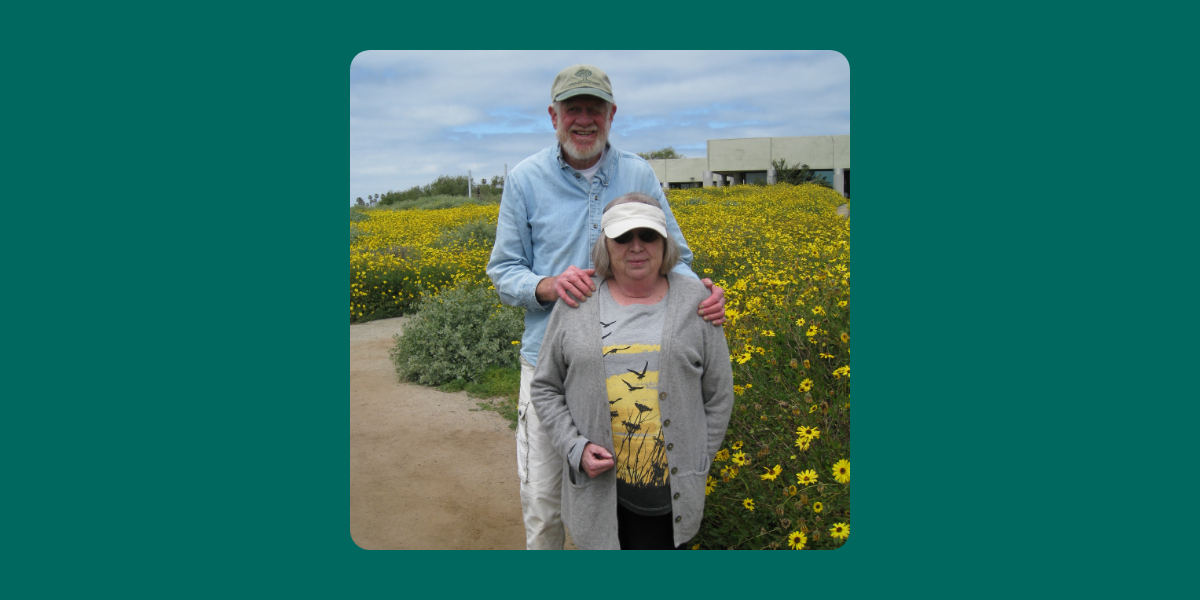
Formerly known as the Southwest Wetlands Interpretive Association, the Tijuana Estuary Foundation supports the Reserve’s research, education, and restoration programs for the benefit of all who rely on these natural and cultural resources.
Creating the Tijuana River National Estuarine Research Reserve was a decades-long effort filled with both tension and triumph. Emotions often ran high between preservationists and proponents of development. During one cleanup celebration at an Imperial Beach fire station, a gunman wounded a volunteer. Soon after, Mike and his wife, Patricia, discovered someone had loosened the lug nuts on their car’s wheels.
“My feeling inside was, you know, if we’re going to have anything left on this planet, we must put our lives on the line,” Mike recalls.
The tide eventually turned. The dedication of Border Field State Park in 1971 and a Navy overflight training area effectively halted plans for the marina. Federal and state legislation, including the federal Coastal Zone Management Act, the Endangered Species Act, and the California Coastal Act, further safeguarded the estuary’s future.
Ongoing Threats
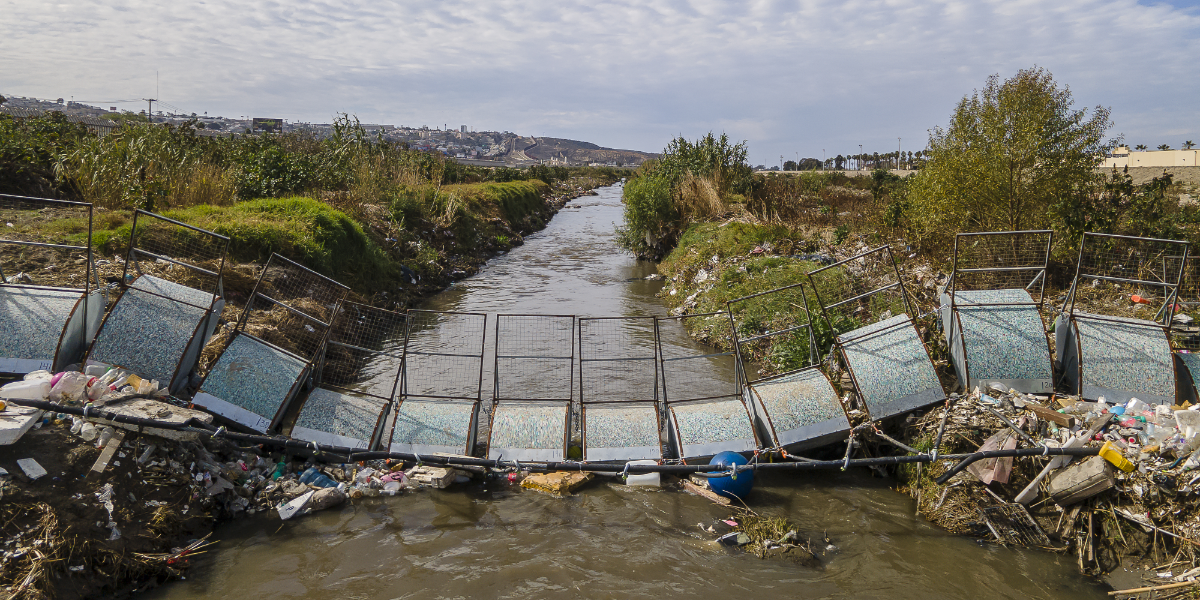
Tijuana Main River Channel (Photo Credit: Surfrider Foundation and Veriditas Rising)
Still, threats to the estuary remain. Billions of gallons of untreated or partially treated wastewater, industrial chemicals, and pathogens cross the border each year. Storms carry enormous volumes of trash and eroded sediment through neighboring canyons, and rising sea levels threaten to drown coastal marshes.
To strengthen its long-term impact, the Tijuana Estuary Foundation established a Nonprofit Fund at SDF in 2025. “One of the biggest reasons is that the San Diego Foundation has such a broad reach across the county, and beyond,” says Mike. “They’re not only connected, but they have a wealth of institutional knowledge, and their expertise in investing and growing any funds you may have is probably unmatched. They also have the same priorities we do: protecting our precious environment.”
“Let’s face it,” says Patricia, “there are a lot of people who are really struggling, they’re trying to keep their jobs, feed their children, keep their head above the water. It’s hard sometimes to get involved. But bottom line, our lives depend on it. We all need to get involved.”
You can help by connecting with our team and learning more about our environmental initiatives today.